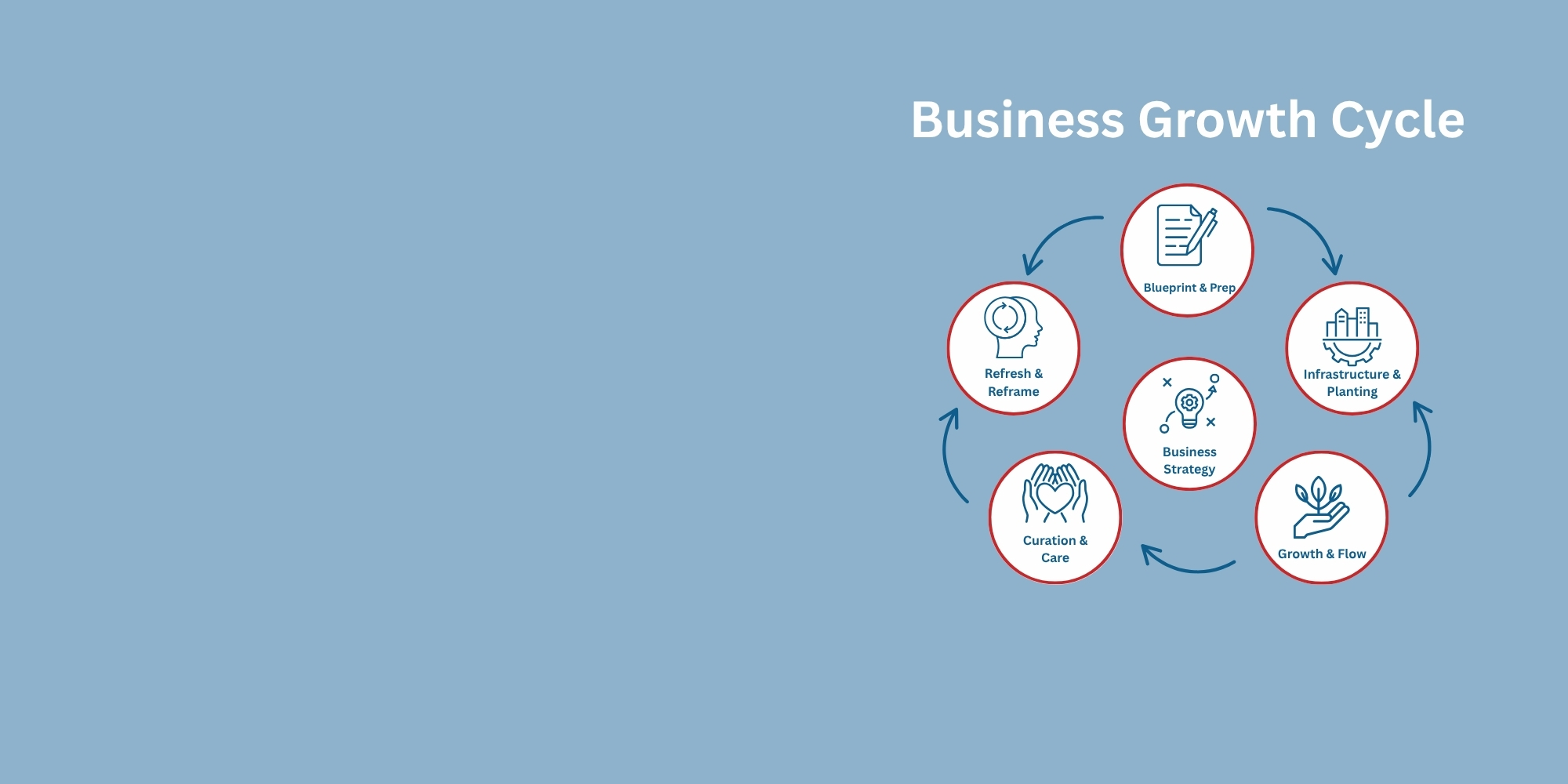
Cultivating Your Landscape: The Phases of Occ Med Growth
August 2, 2025When you’re building a successful occupational medicine program, you’re not just selling services. You’re shaping a landscape. One that supports long-term B2B relationships with local employers and becomes more valuable over time.
Landscapes don’t grow overnight. They develop through a series of evolving phases, each with its own challenges, decisions, and opportunities.
Whether you’re just getting started in Occ Med or fine-tuning a mature program, these five phases offer a practical framework for building a more sustainable and effective approach.
Keep in mind that this isn’t always a straight line. Your landscape will shift with the seasons. You may revisit earlier phases as your market evolves, your team grows, or new opportunities emerge.
And what you notice depends on your perspective. Zoom in, and you’ll catch small gaps or friction points you hadn’t seen before. Zoom out, and you might find adjacent areas or untapped segments that deserve your attention. The focus you choose shapes what grows next.
Phase 1: Blueprint and Prep
Before anything grows, you need a plan.
This is your design phase. Not just strategy, but the shape of your landscape. Where are the paths? Where will services go? What kind of experience do you want to create for employers and their teams?
You’re identifying the types of employers you want to serve, what services fit your strengths, and how you’ll enter the market. It’s not glamorous work, but it anchors everything that follows.
Core questions to answer:
- Who are we trying to reach?
- What problems do we solve?
- Where is the opportunity in our market?
Skip this phase, and you’ll likely waste time chasing the wrong leads with the wrong message.
Phase 2: Infrastructure and Planting
This is where action starts. You’re showing up at local HR meetings, industry events, and in inboxes. You’re testing what gets traction and listening to what employers actually care about.
This phase also includes building your foundation. Think irrigation systems, signage, and walkways. It’s not just about planting seeds, but supporting them with tools, processes, and visibility.
What to focus on:
- Introduce your brand with consistency
- Build early credibility with helpful content and clear messaging
- Start relationships by listening, not selling
You won’t see instant results. But what you plant here often pays off down the road.
Phase 3: Growth and Flow
Now you’re seeing movement. Early outreach is turning into meaningful conversations. Referrals are trickling in. Some accounts are beginning to take shape.
As momentum builds, your role shifts. You’re not just starting things anymore—you’re managing them. This is where you add structure, scale systems, and build flow between services and accounts.
To keep growing:
- Develop systems for follow-up and ongoing engagement
- Equip your team to have deeper, consultative conversations
- Stay consistent with your message and service experience
Your landscape begins to feel cohesive, not just busy.
Phase 4: Curation and Care
At this stage, your program has form. You’re known. You have anchor accounts and recognizable services. But with maturity comes complexity.
You’re juggling more relationships and higher expectations. That means optimizing—not just maintaining.
Priorities in this phase:
- Simplify and improve internal coordination
- Keep client communication smooth and timely
- Prune services or workflows that no longer serve you
You’re shaping the space as much as you’re maintaining it.
Phase 5: Refresh and Reframe
Even the best landscapes need a reset.
Maybe your messaging feels stale. Maybe the market has shifted. Or maybe you’re just ready for something new.
This phase is about being honest and intentional. You don’t need to tear everything down—you just need to rework the parts that no longer fit.
You might:
- Launch a new service line or go after a different audience
- Revisit your positioning and update materials
- Adjust your sales process or outreach strategy
Refresh doesn’t mean starting over. It means building on what’s worked.
Wherever you are, cultivating your landscape is an ongoing process. It changes. It deepens. And what you see depends on how closely you look. A narrow lens shows gaps. A wide one reveals opportunity.
Keep your perspective moving. The right growth often starts with the right focus.
© 2026 WebForDoctors | Payment Processing