What Every Occ Med Sales Rep Should Know About TRIR and EMR
September 22, 2025If you’re selling occupational medicine services, two acronyms you’ll hear from safety managers, risk officers, or contractors are TRIR and EMR. These two measures sound alike, but they play very different roles in how companies think about workplace safety and costs. Knowing the difference will help you connect with prospects in a meaningful way.
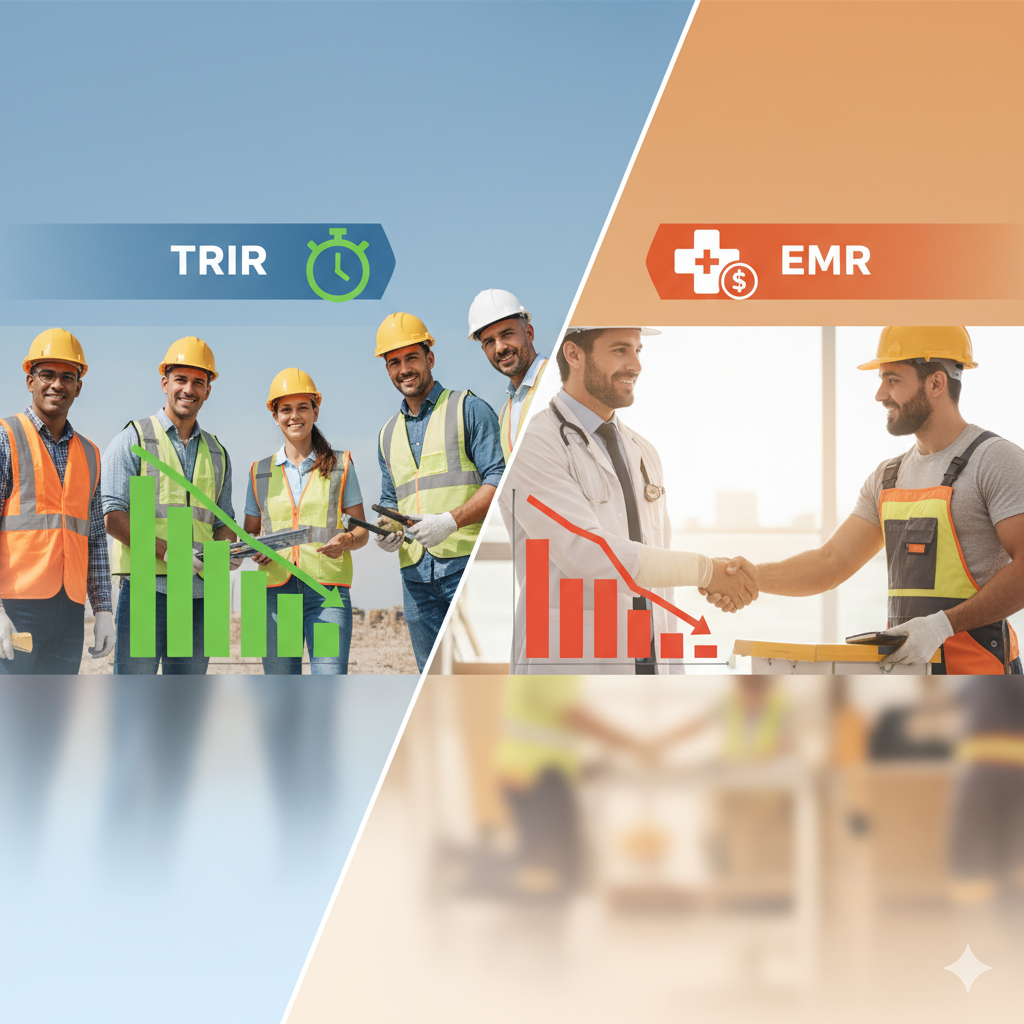
TRIR (Total Recordable Incident Rate) is a measure of how often OSHA-recordable injuries happen at a company. It’s expressed as a rate per 100 employees, allowing fair comparisons between companies of different sizes. Safety managers track TRIR closely because it reflects their day-to-day performance. A lower TRIR signals fewer injuries and is a key number when they need to prove their current safety culture to clients or regulators.
EMR (Experience Modification Rate), by contrast, is an insurance metric. It compares a company’s actual workers’ compensation claim costs to what’s expected for their industry. The number directly affects premium costs: an EMR below 1.0 lowers insurance expenses, while an EMR above 1.0 increases them. Beyond insurance, some project owners and large contractors require bidders to have an EMR under a certain threshold, meaning companies with poor scores can lose out on work opportunities.
As a sales rep, the takeaway is this: occupational medicine services can influence both numbers, but in different ways. Prevention programs, pre-employment screenings, and wellness initiatives help reduce the likelihood of injuries, which lowers TRIR. On the other side, prompt access to specialized care, modified duty programs, and faster return-to-work strategies reduce the severity and cost of claims, which improves EMR over time.
This dual impact is powerful. When speaking with a prospective client, frame your value in terms of both prevention and recovery. For example, for a 20-employee construction firm, even one serious injury can spike premiums and shut them out of future contracts. By partnering with an occupational medicine provider, they gain both a lower incident frequency and better claim outcomes—two levers that keep their business competitive.
In the end, TRIR shows how safe a company looks today, while EMR reflects how costly their injuries have been over years. As a rep, you don’t need to be an insurance expert, but being fluent in how your services move both numbers makes your conversations more credible and gives you an edge with decision-makers.
© 2026 WebForDoctors | Payment Processing