
What It Means to Cultivate Your Occ Med Landscape
July 22, 2025In occupational medicine, you’re always operating within a landscape, even if you don’t think of it that way.
That landscape might be shaped by your region, your employer mix, or even the kind of services you’re comfortable offering. And like any natural space, that landscape evolves (sometimes gradually, sometimes suddenly) depending on how you engage with it.
For some providers, the landscape is clear and contained: a few strong employer accounts that send a steady stream of injury care and compliance testing. It’s familiar, manageable, and often profitable. It doesn’t require reinvention, but it does require maintenance. Relationships still need to be nurtured. Visibility still needs to be sustained.
For others, the landscape is more expansive. It might include pre-employment services, physicals, drug testing, flu clinics, ergonomics, or even on-site wellness programming. These practices are trying to build something broader, something with multiple layers of value for the employers they serve. But with greater variety comes greater complexity. The needs shift. The cadence changes. And your cultivation strategy has to reflect that.
No matter what your landscape looks like, one thing is always true: it needs to be cultivated.
That’s the driving idea behind “Cultivate Your Landscape,” a weekly post series I’ve been sharing on LinkedIn. Each week, I use a metaphor from nature, farming, or design to reflect on a core principle of long-term growth in occupational medicine.
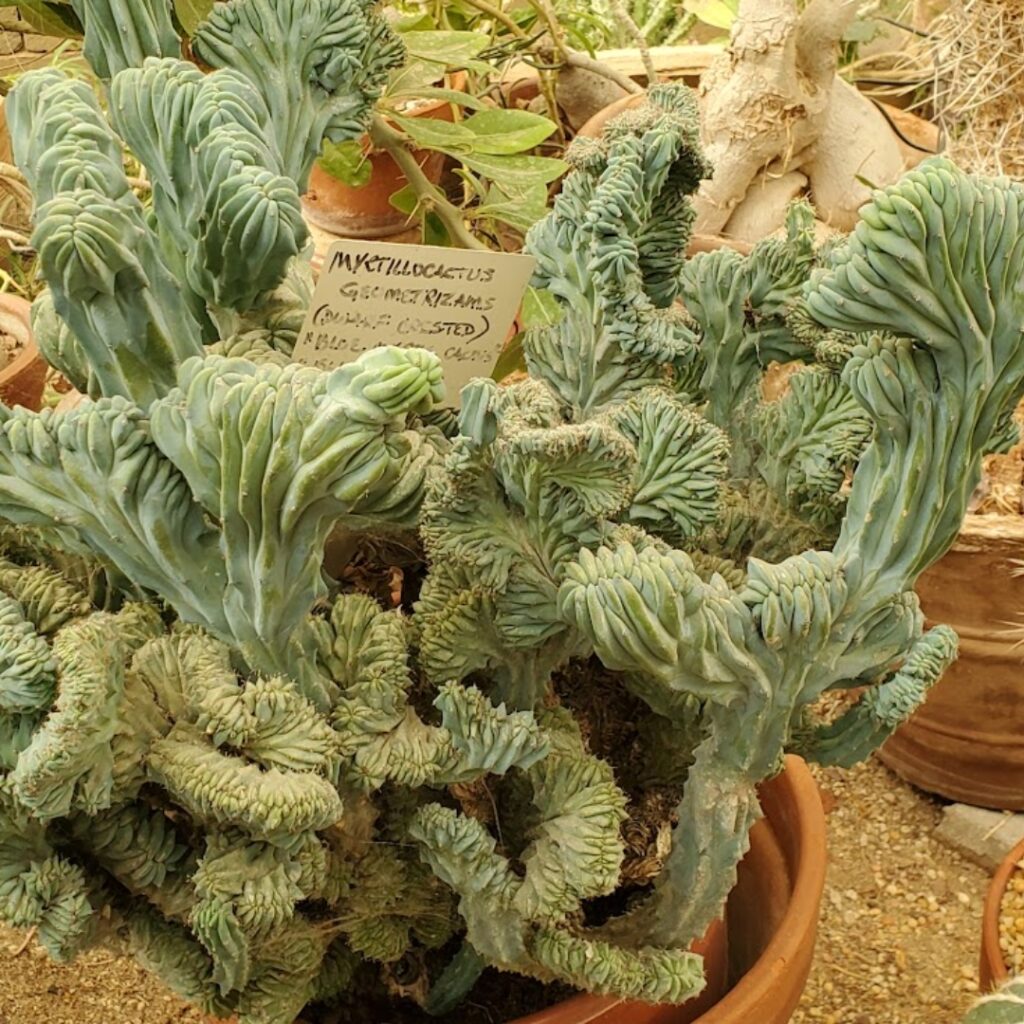
Maybe you saw the post about the cactus landscape. At Moorten Botanical Garden in Palm Springs, hundreds of cactus varieties are arranged with care and purpose. It’s not just wild desert. It’s a designed, intentional environment. Each plant has its own needs and timing. You don’t water them all the same. You don’t expect them to bloom on your schedule.
Maybe you saw the post about the cactus landscape. At Moorten Botanical Garden in Palm Springs, hundreds of cactus varieties are arranged with care and purpose. It’s not just wild desert. It’s a designed, intentional environment. Each plant has its own needs and timing. You don’t water them all the same. You don’t expect them to bloom on your schedule.
That’s exactly how Occ Med sales works. Each prospect has different cycles, priorities, and motivations. You can’t force outcomes. But you can plan and nurture relationships with intention. You adapt your efforts based on what each prospect responds to, where they are in their decision-making process, and what they’re capable of engaging with today.
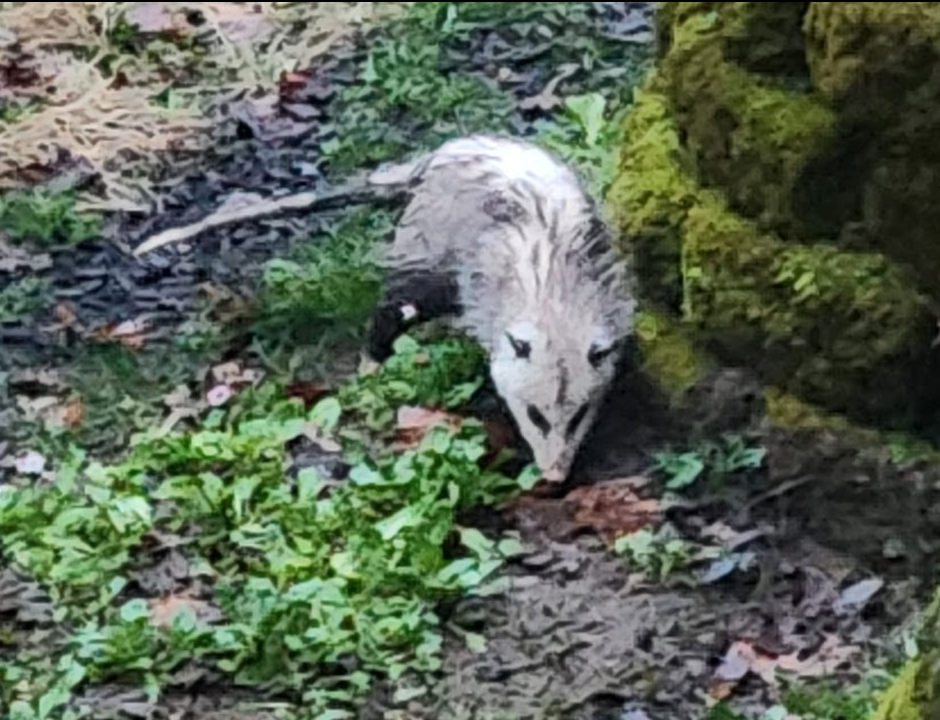
Or maybe you saw the post about the possum in my yard. A quiet visitor, doing important work at daybreak. A reminder that sometimes growth or value shows up in ways you didn’t plan for. In sales, that might mean syncing with events or simply showing up where your prospects already are: in their inbox, at community events, or on LinkedIn. It’s not always about pushing harder. Sometimes, it’s about aligning better.
These stories are about more than metaphors. They’re about how real growth happens, in layers, over time, with intention. And just like with a landscape, some of the most meaningful shifts aren’t immediately visible. They happen underground, or out of view, until one day the result becomes undeniable.
To cultivate your landscape is to be intentional:
- About how relationships form
- About how visibility builds
- About how offerings are shaped and communicated
- About which prospects need nurturing now, and which ones need space
- About when to engage, and when to simply observe and wait
It’s not about chasing trends or copying competitors. It’s about knowing what kind of program you want to grow and doing the hard, sometimes slow work to help it thrive.
Whether you’re running a lean, focused offering or expanding into a full suite of employer-facing services, the message is the same:
You’re growing something. The question is whether you’re tending it with care.
If that resonates with you, follow along on LinkedIn. Or reach out if you want help thinking through how to cultivate your own landscape more strategically. The right care, at the right time, can make all the difference.
© 2026 WebForDoctors | Payment Processing | Privacy Policy